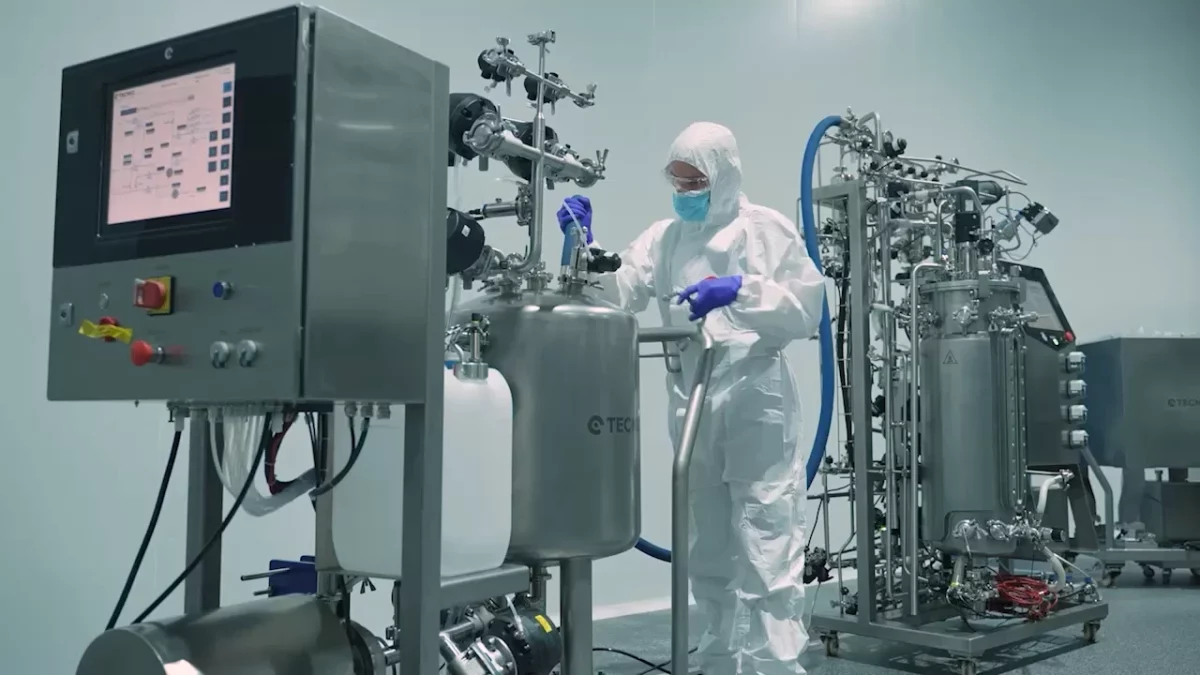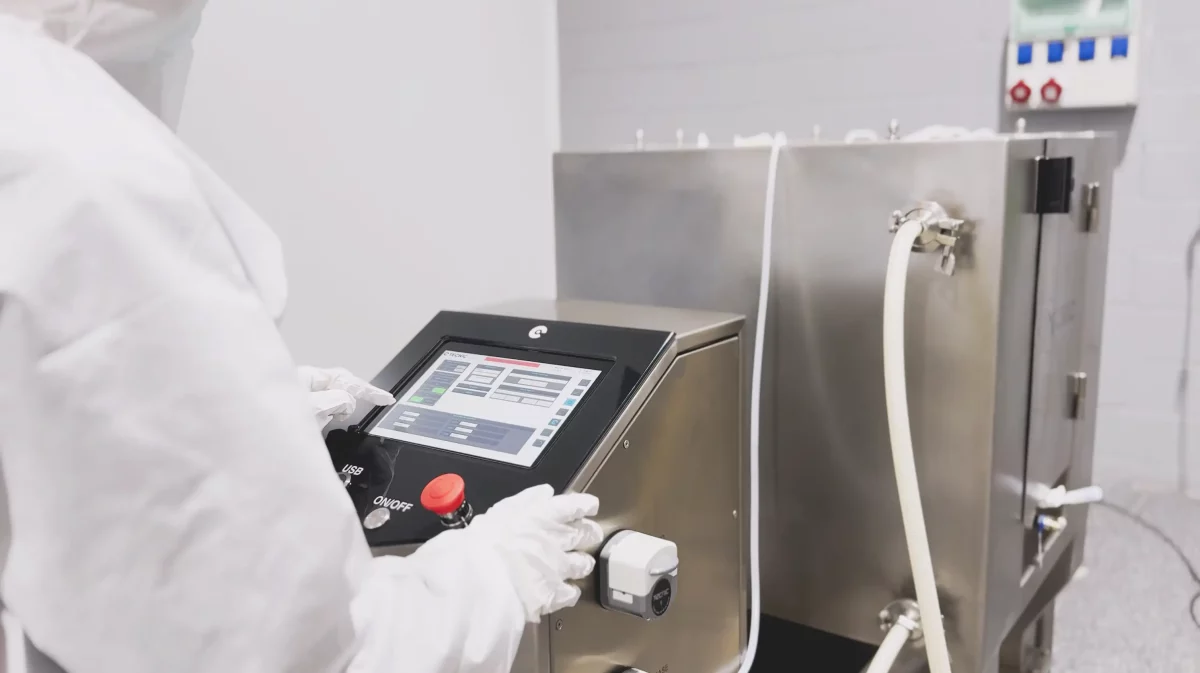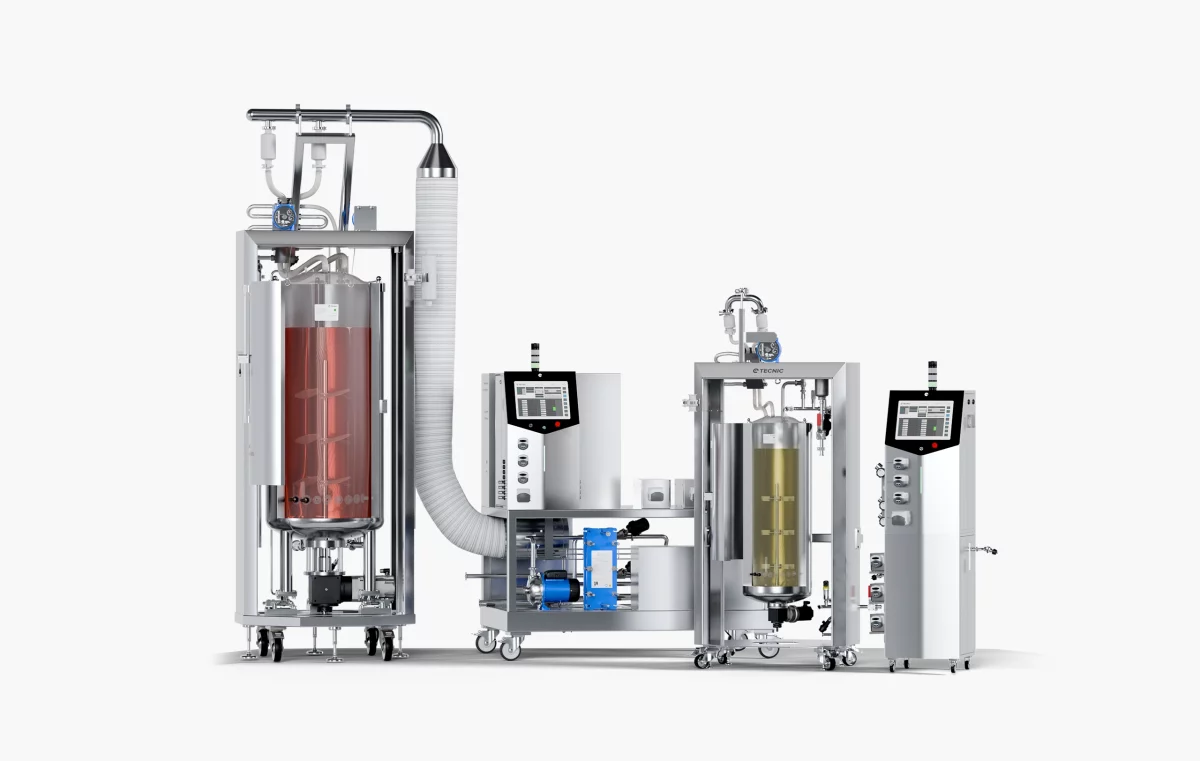

Choosing a TFF system by scale is not only about flow rate or membrane area. It is about deciding what the process needs at each stage, what must be learned in the lab, what must be confirmed in pilot and what must remain stable once the workflow reaches production.
In many projects, problems appear when the team chooses a platform that works at one stage but does not support transfer to the next. That is why the strongest TFF selection usually looks at the full route from laboratory work to larger-scale execution.
Why scale should shape TFF selection from the beginning
A lab TFF system is usually expected to define process behaviour and give teams room to test. A pilot system should help confirm transfer logic and operational continuity. A production system should execute the step in a way that stays coherent with the rest of the downstream workflow.

What usually matters most at each scale
Define behaviour and process direction
The lab stage is where teams usually clarify concentration logic, buffer exchange behaviour, product response and the first operating window for the TFF step.
Confirm transfer and operational logic
Pilot is where the process should start behaving like a route that can move forward, not just like an experiment that worked once at smaller scale.
Execute with continuity and fit
Production selection should support downstream execution, site fit and a workflow that remains robust under higher-volume operating conditions.
How TFF requirements change from lab to pilot to production
Understand filtration behaviour, concentration logic and initial process fit.
Confirm transfer logic, operating consistency and step robustness.
Run the step with continuity inside a larger downstream process.
Flexibility, process learning and platform accessibility matter most.
Transfer readiness and repeatable operation become more important.
Workflow fit, operational durability and long-term execution matter most.
The process is defined too narrowly and becomes hard to transfer later.
The system confirms only part of the route and leaves scale-up gaps unresolved.
The platform fits capacity but not the real operating logic of the facility or process.
The team learns enough to define a coherent next step.
The process starts behaving like a route that can move forward with confidence.
The TFF step becomes part of a stable downstream execution model.

How to choose the right route without breaking scale-up continuity
The strongest route is not always the one that optimises one stage in isolation. It is usually the one that lets the process move from lab to pilot and from pilot to production without changing the logic of the downstream step more than necessary.
Questions process teams should answer before choosing by scale
What is the real objective of the current stage?
A lab platform should not be asked to behave like production, and a production platform should not be selected only because it looks stronger on paper.
What must be transferred to the next scale without changing?
The clearer that answer is, the easier it becomes to choose a platform route that supports continuity.
Is the current system helping define the next stage?
A good selection at one scale should reduce uncertainty at the next one, not create a new decision problem later.
Does the downstream workflow remain coherent as volume grows?
The right choice by scale is the one that keeps the process logic readable and executable as the route expands.
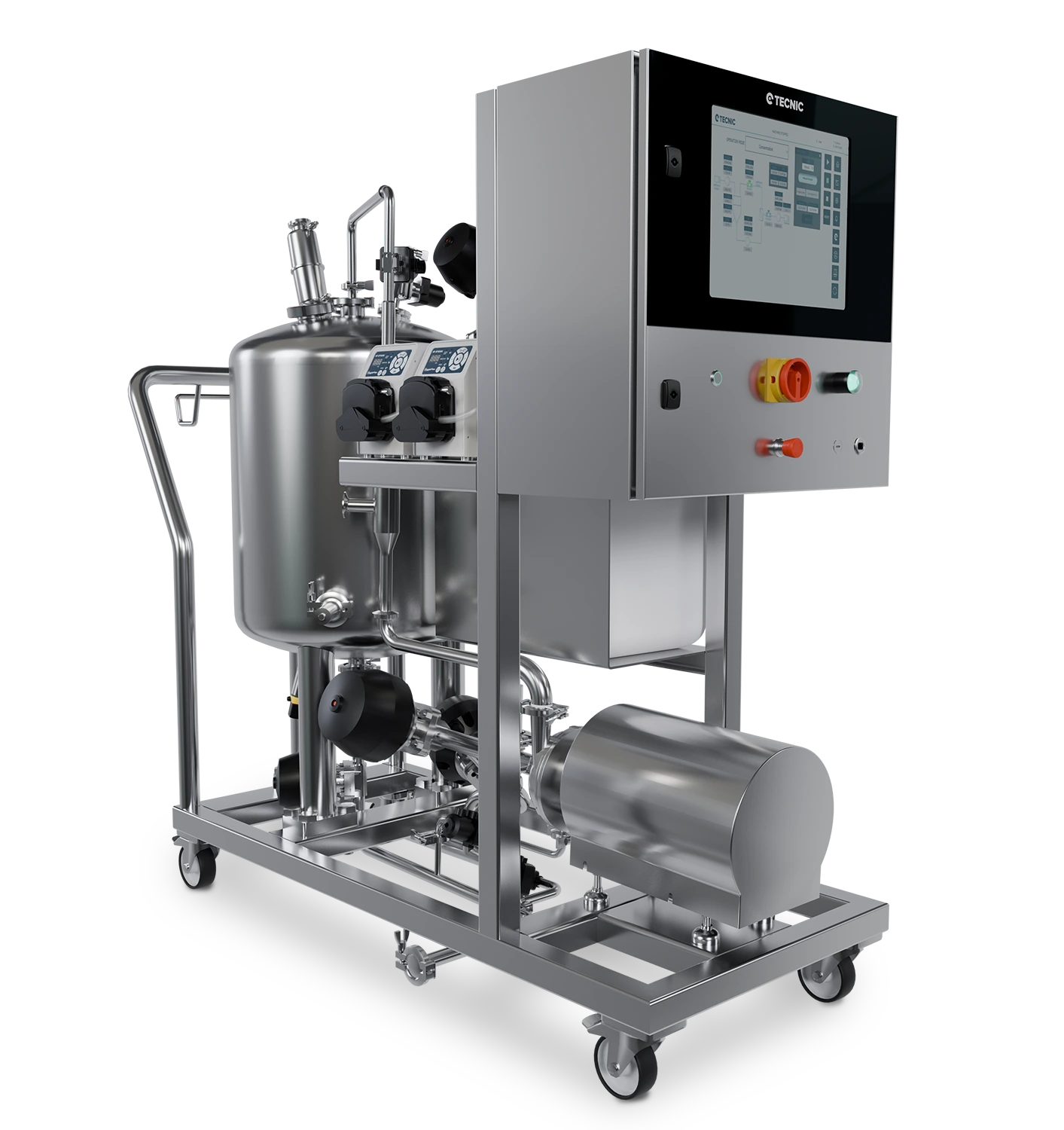
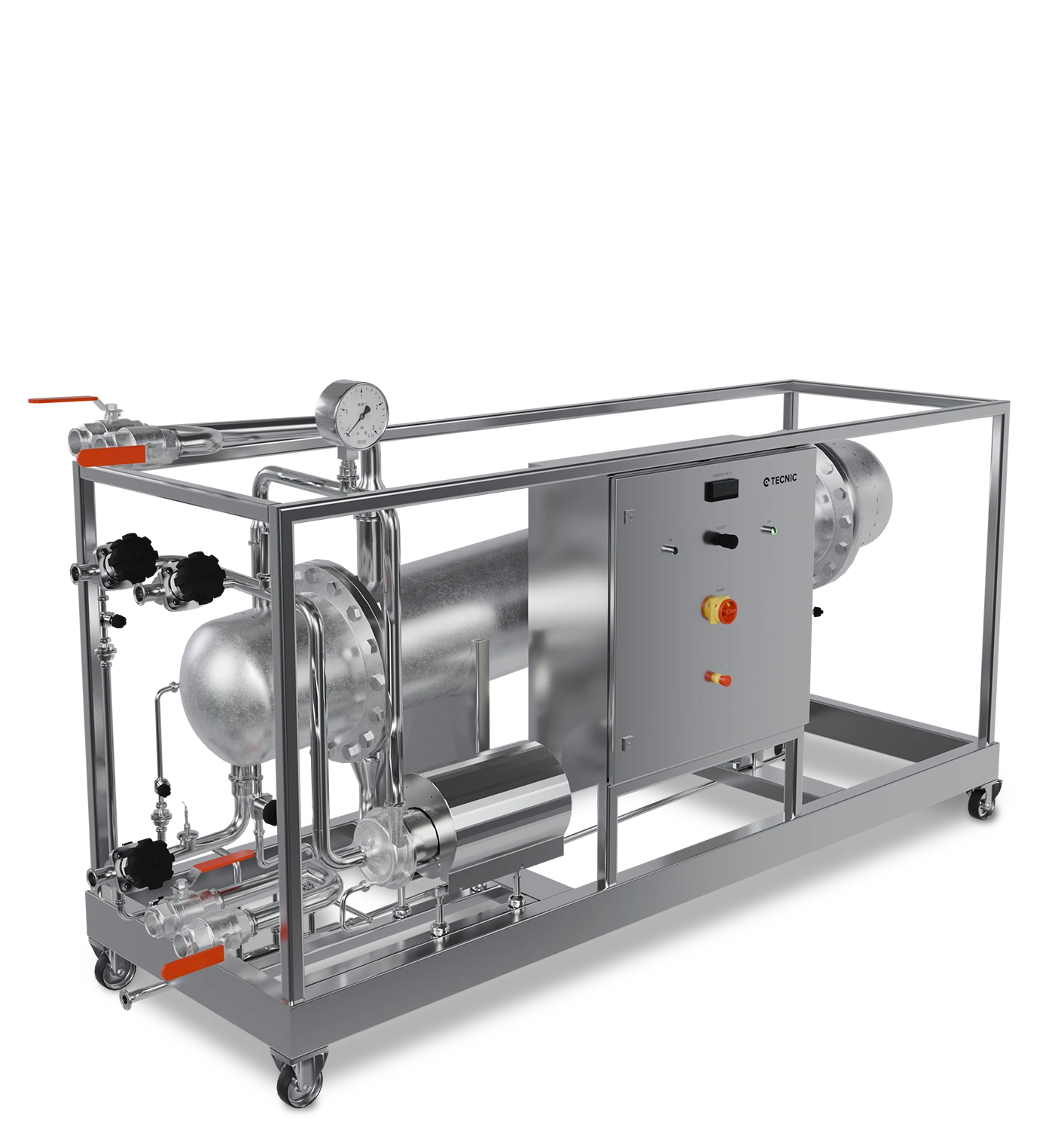
Relevant TECNIC TFF platforms
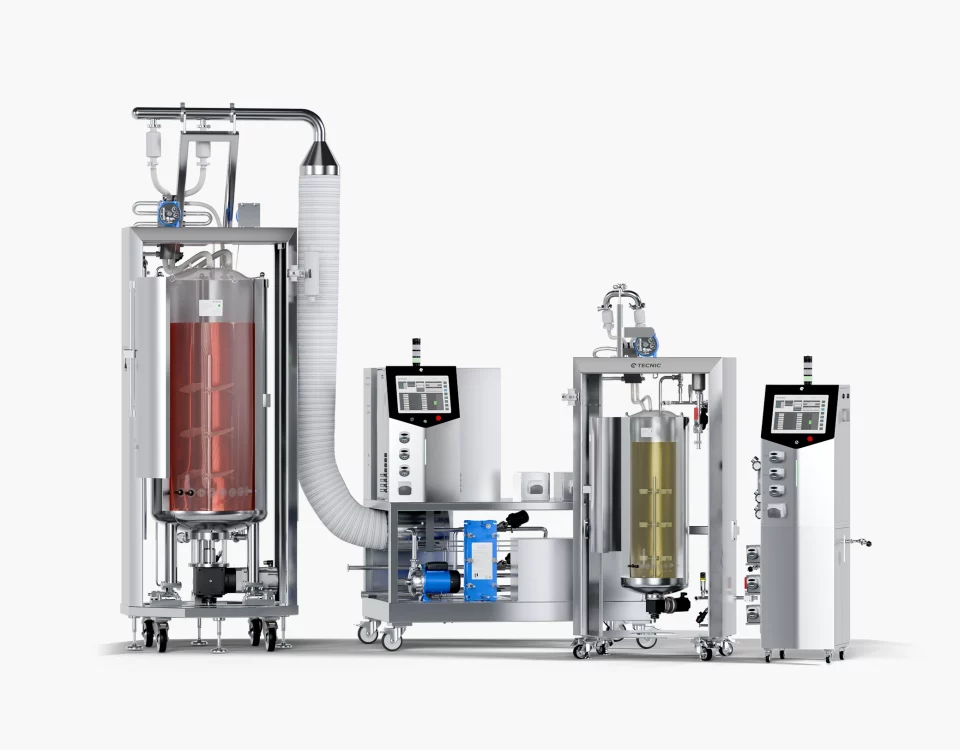
Once the scale objective is clear, the next step is matching the process with the right TFF platform across laboratory, pilot or production needs.
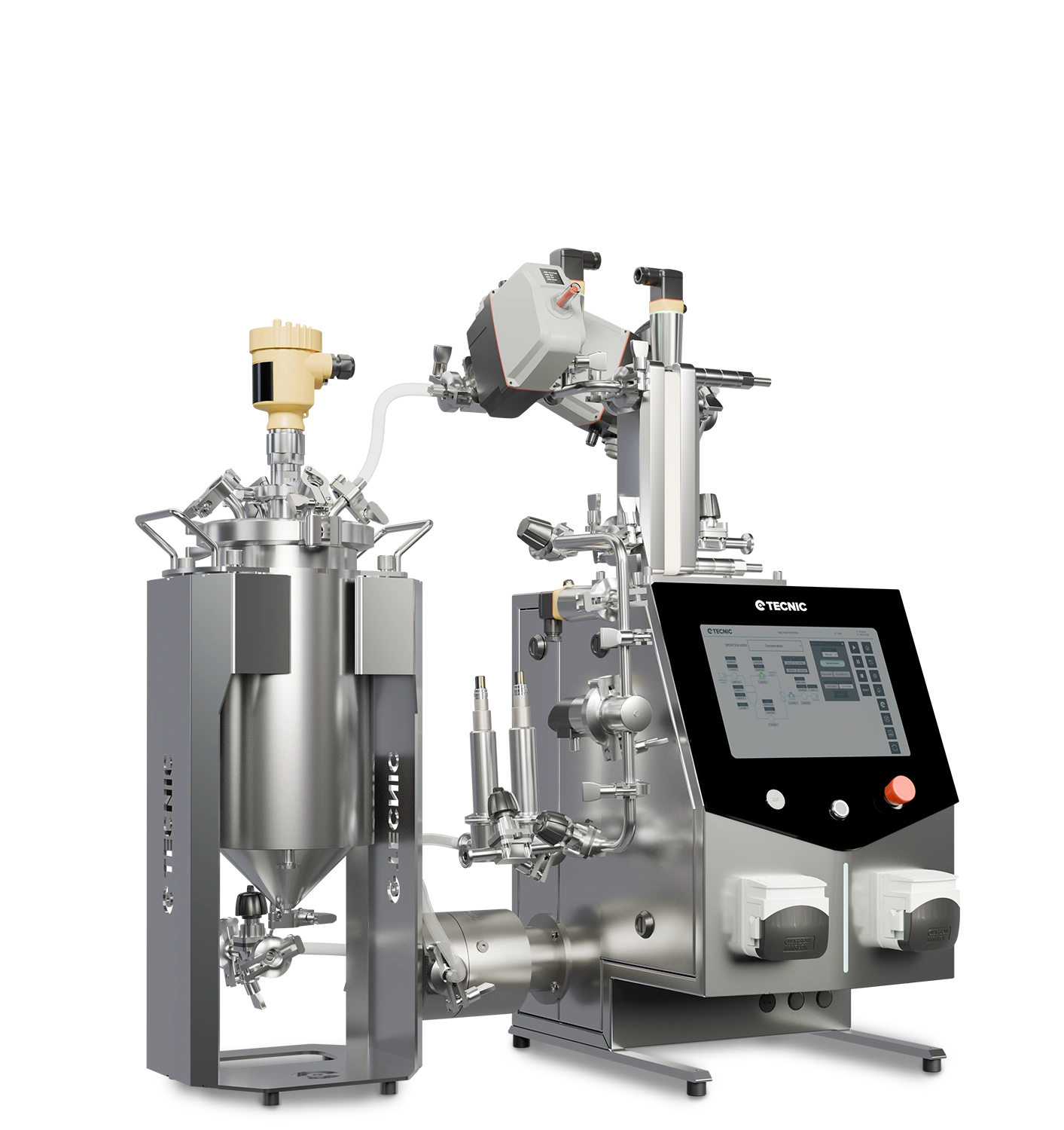
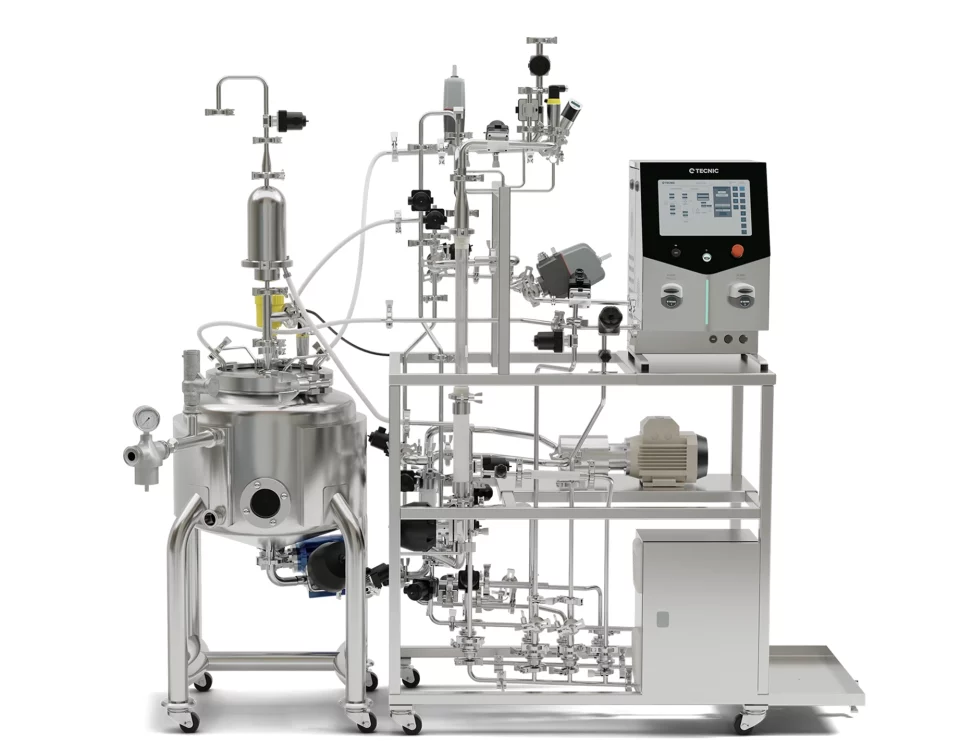
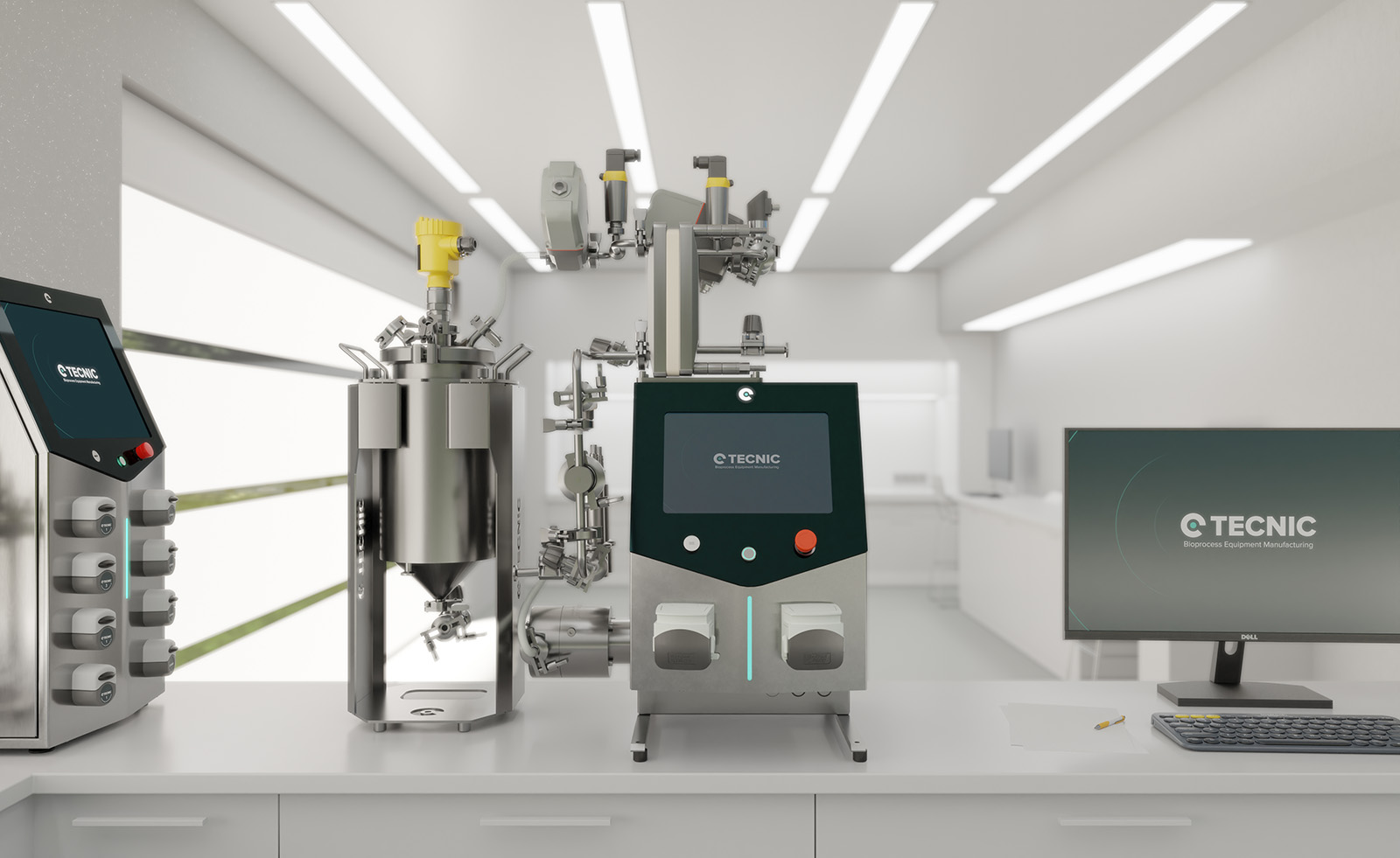
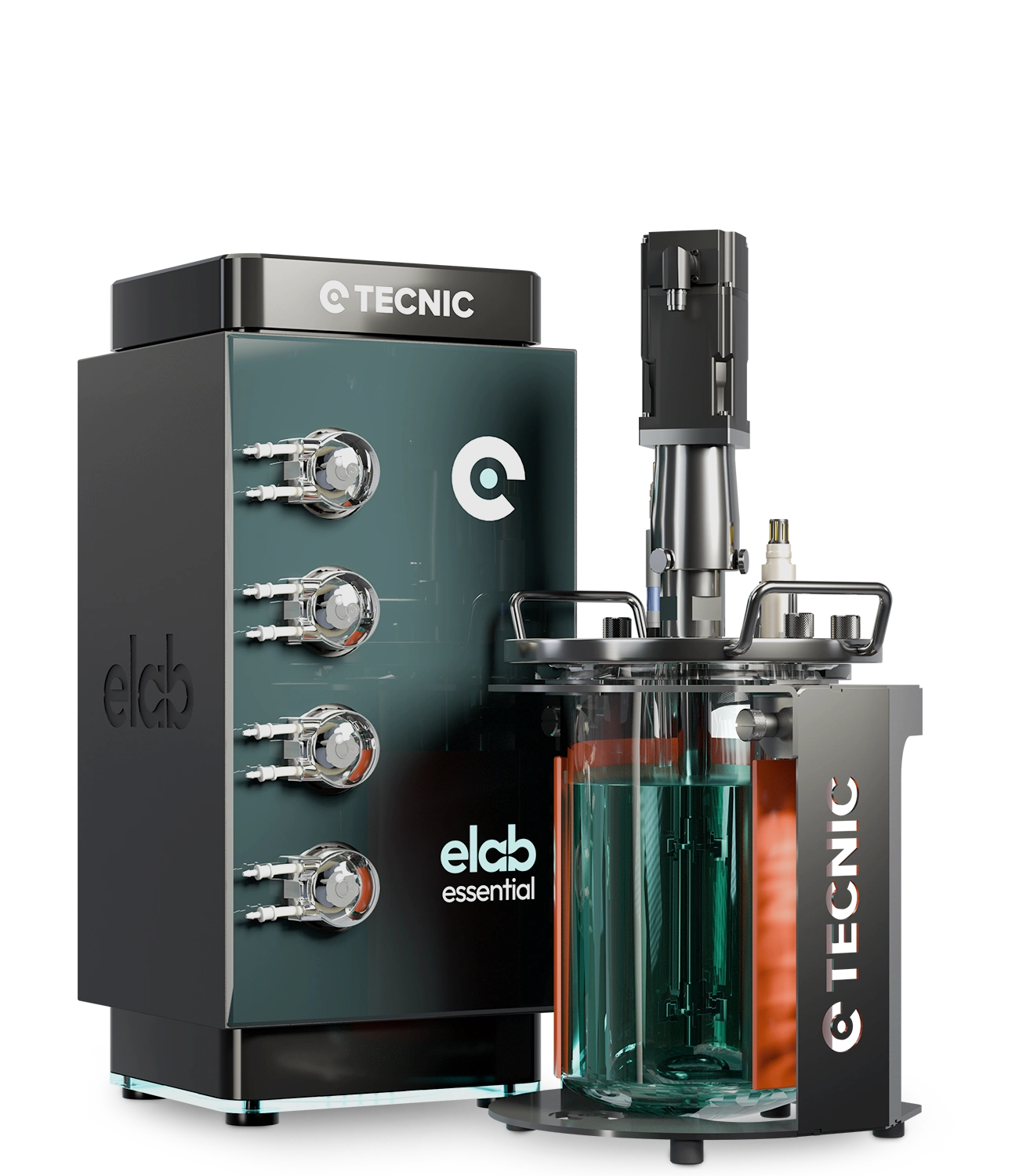
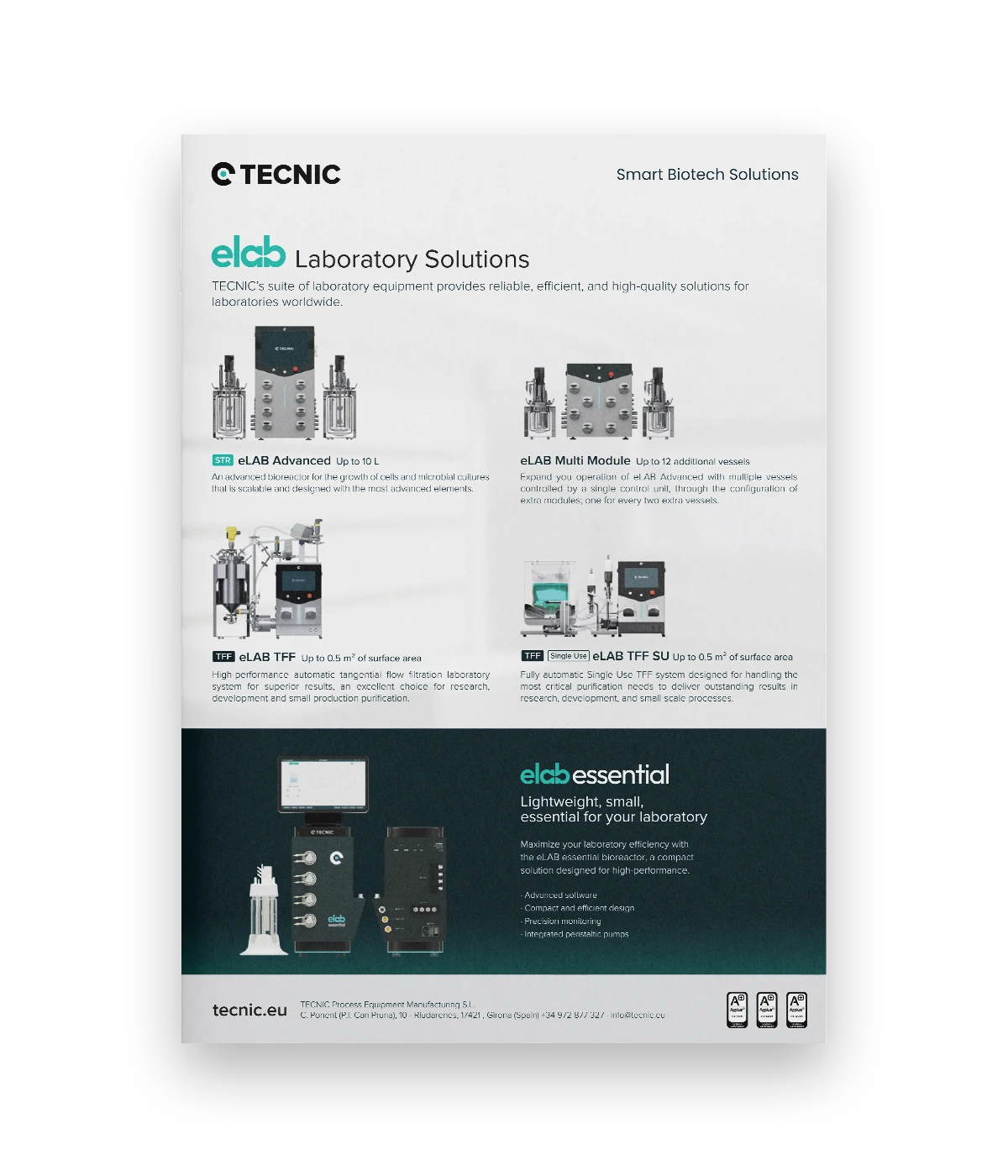
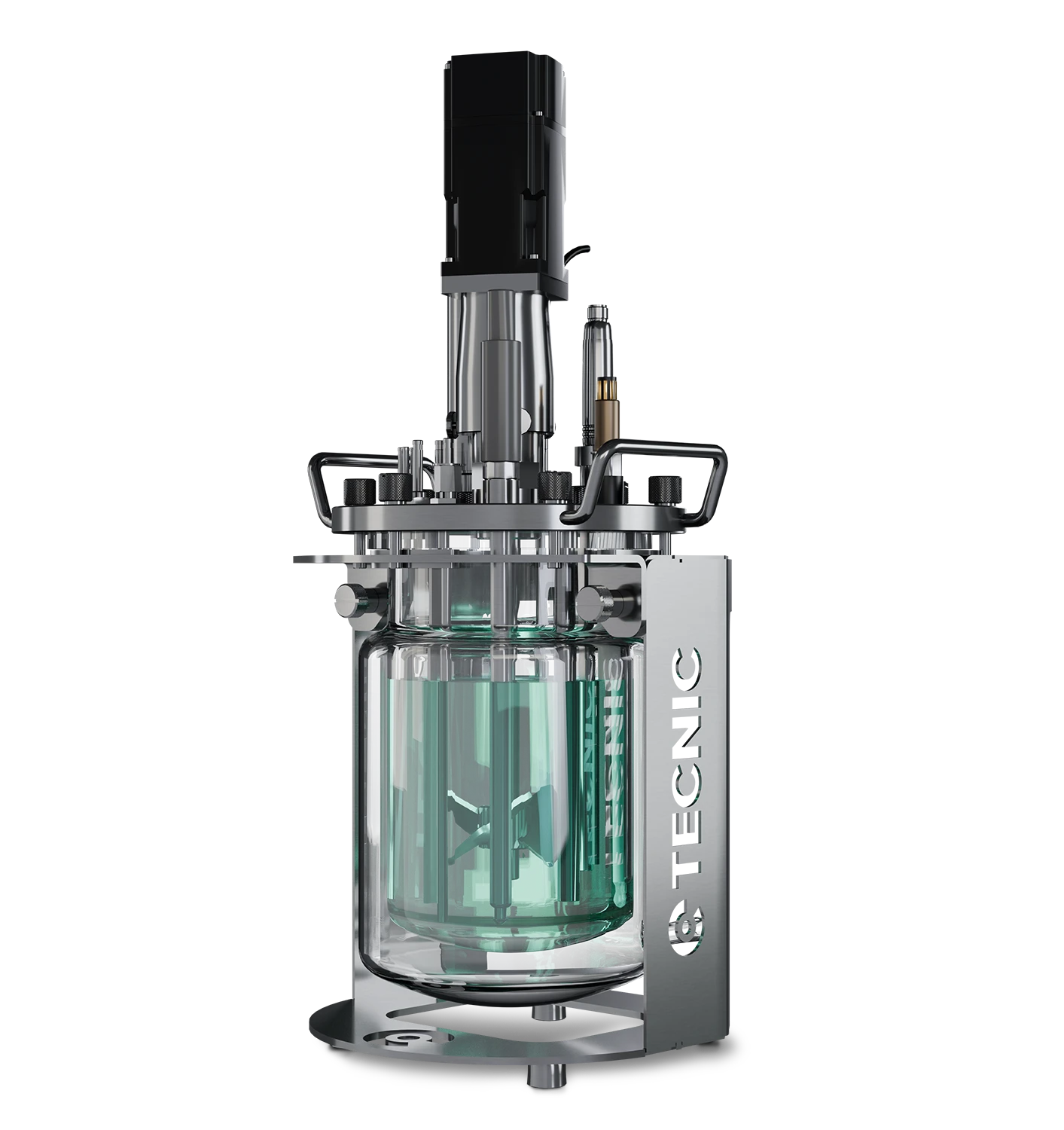
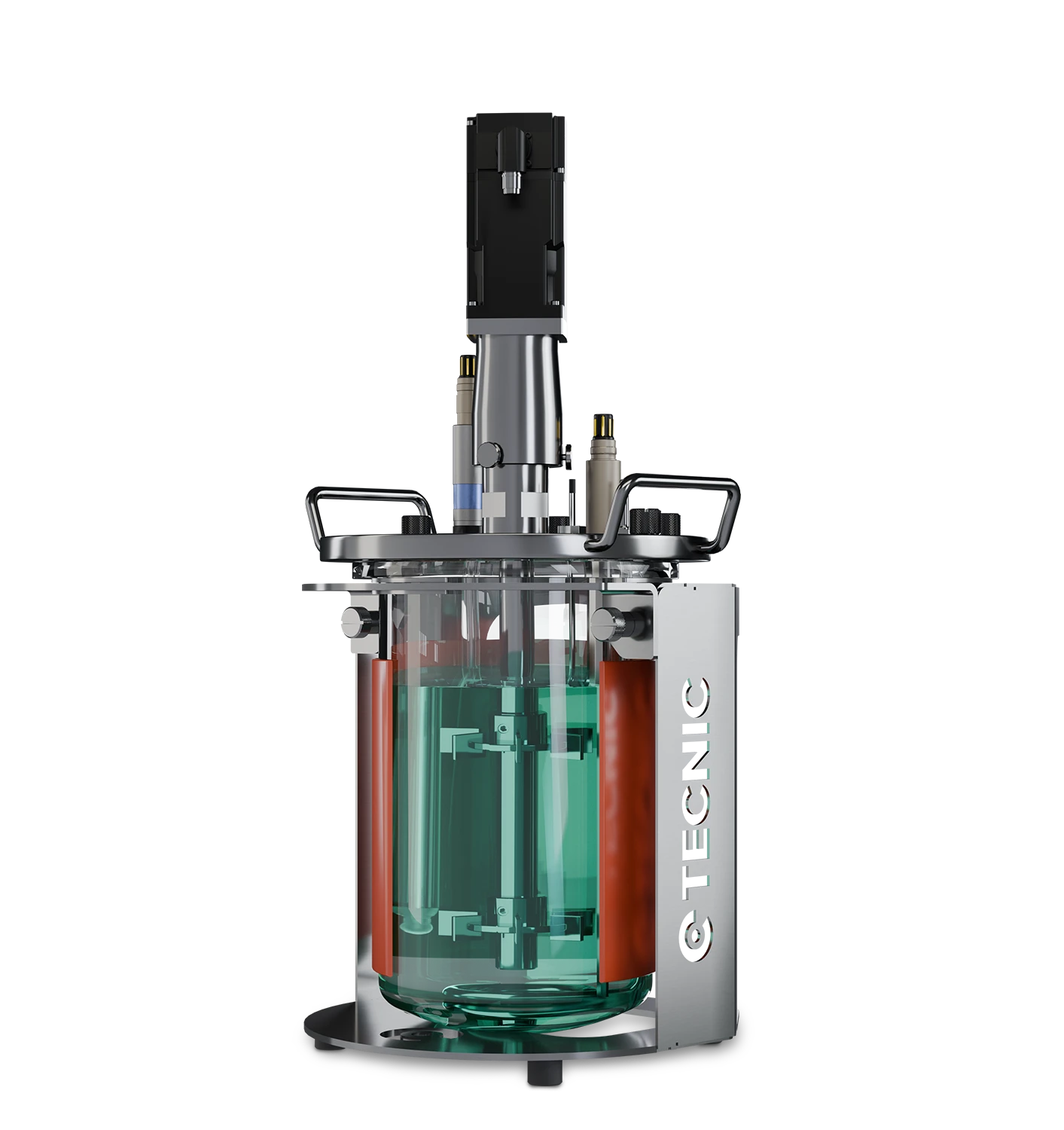
eLAB TFF
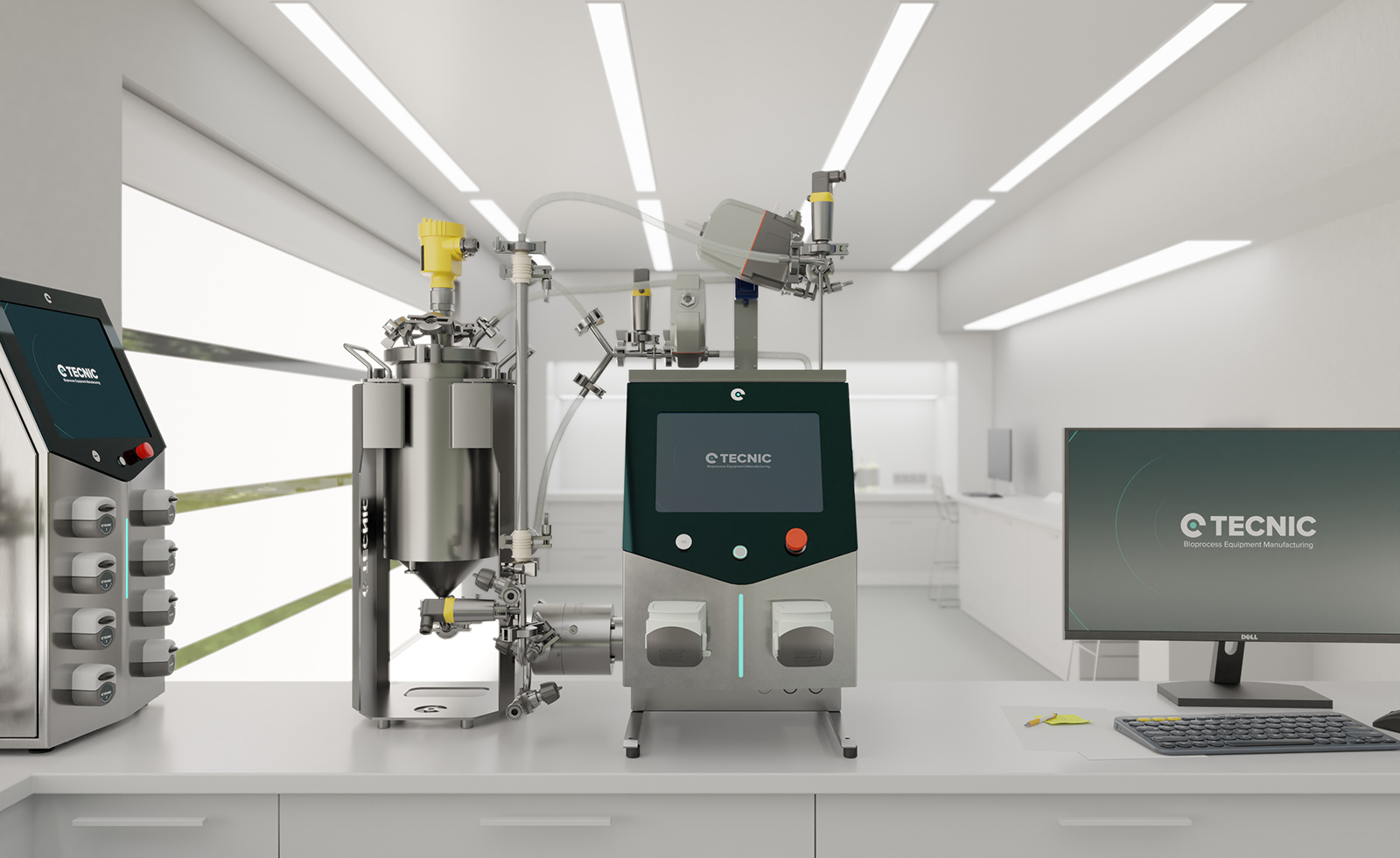
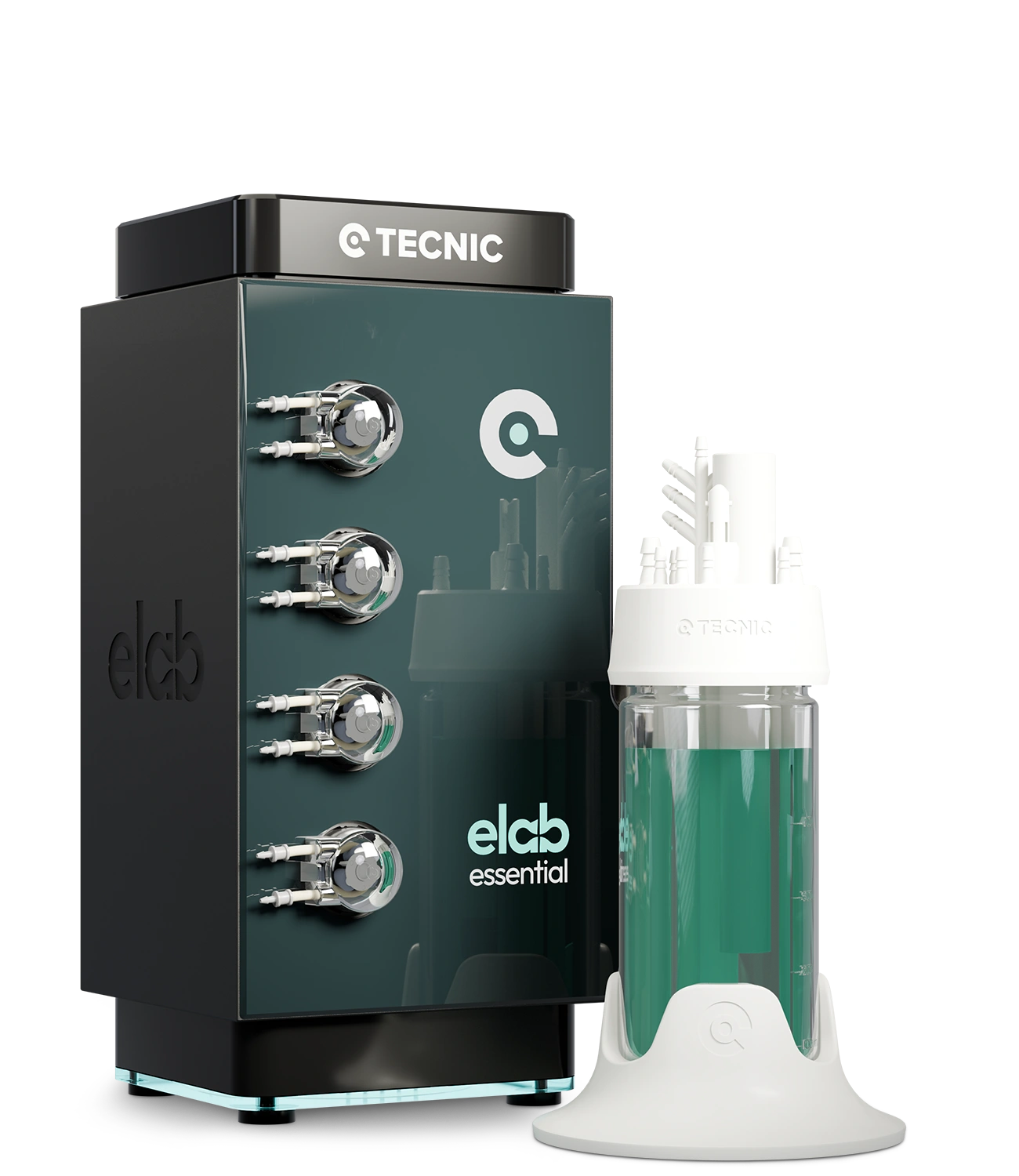
Laboratory multi-use TFF system with up to 0.7 m² for controlled development workflows.
eLab TFF system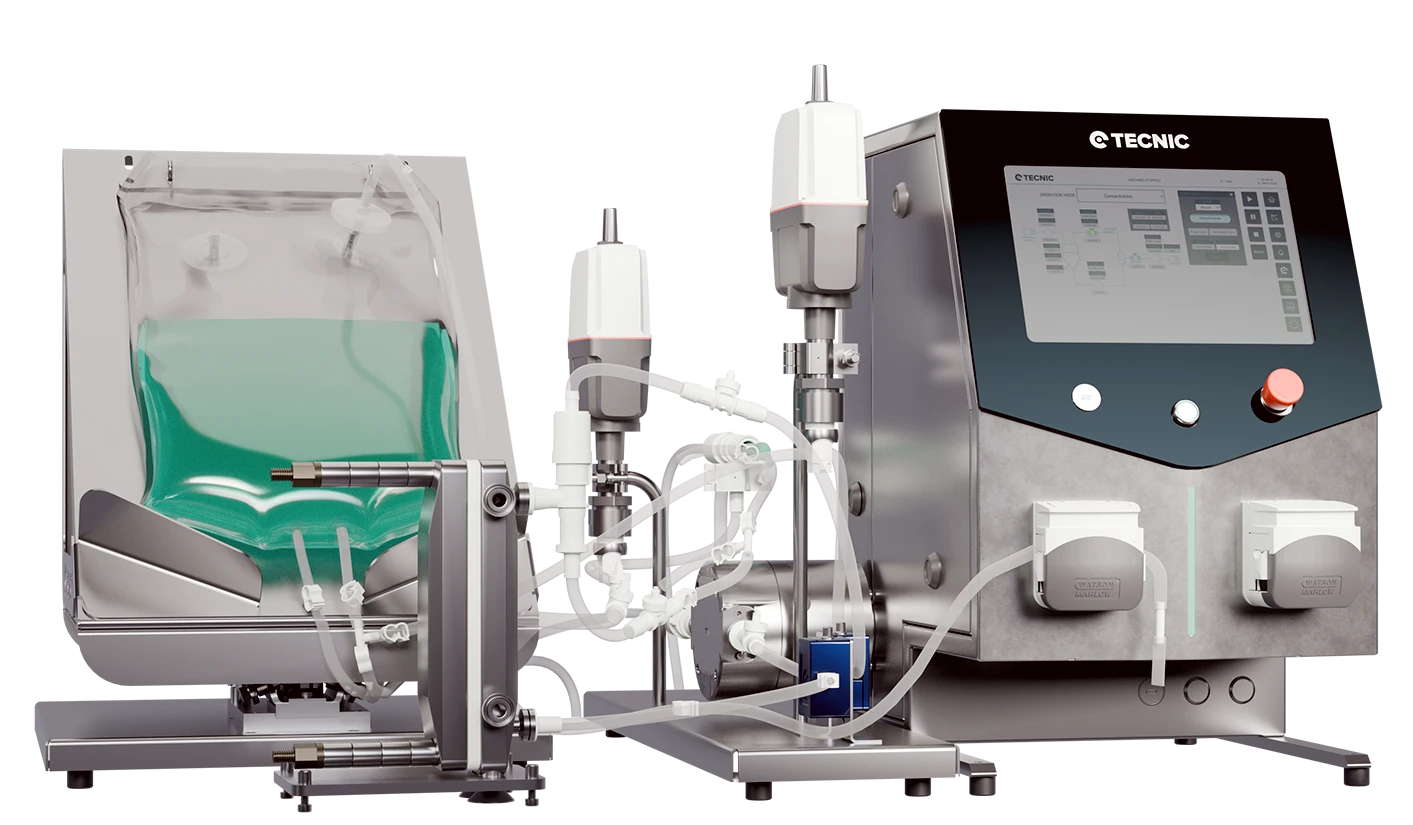
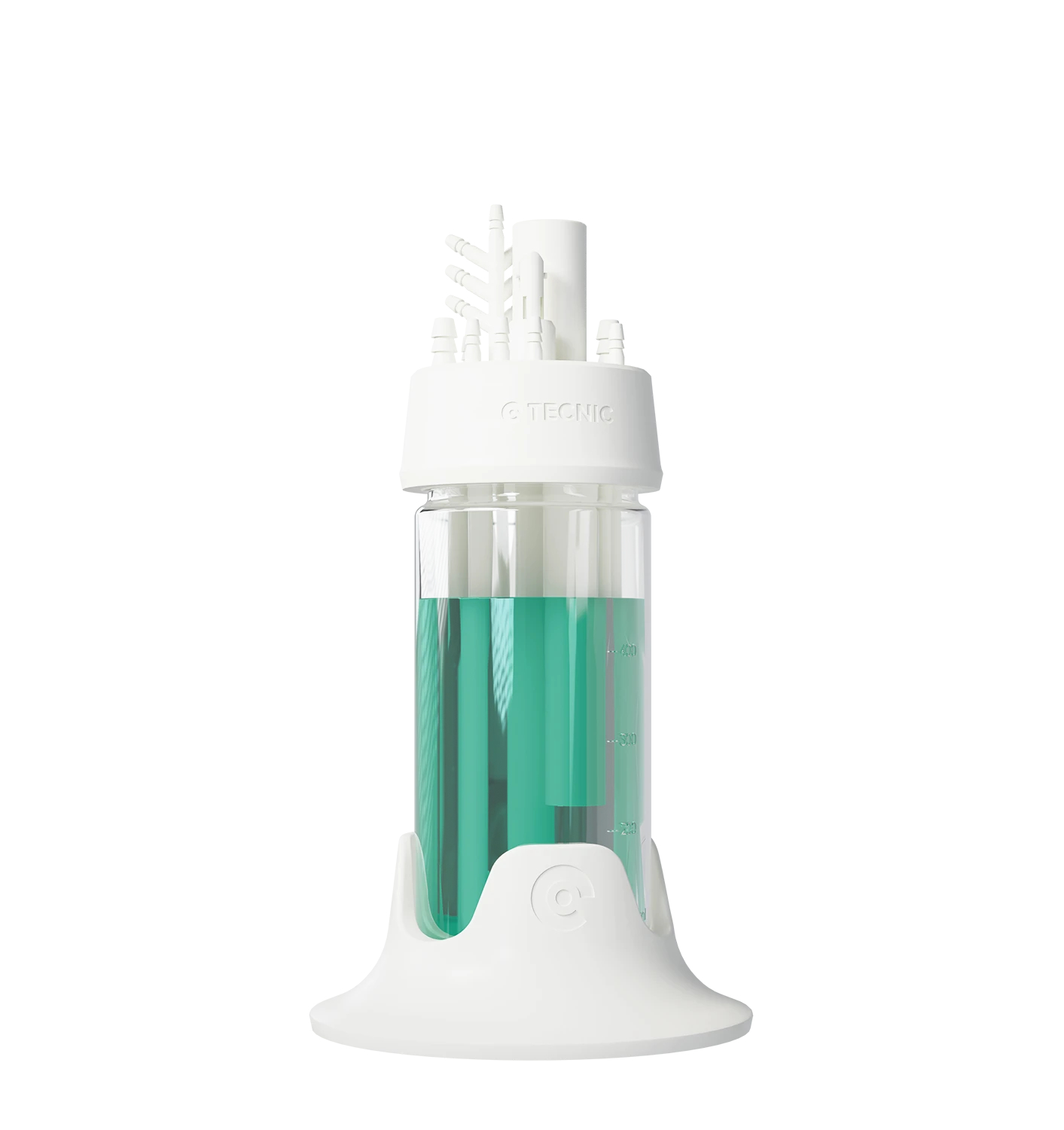
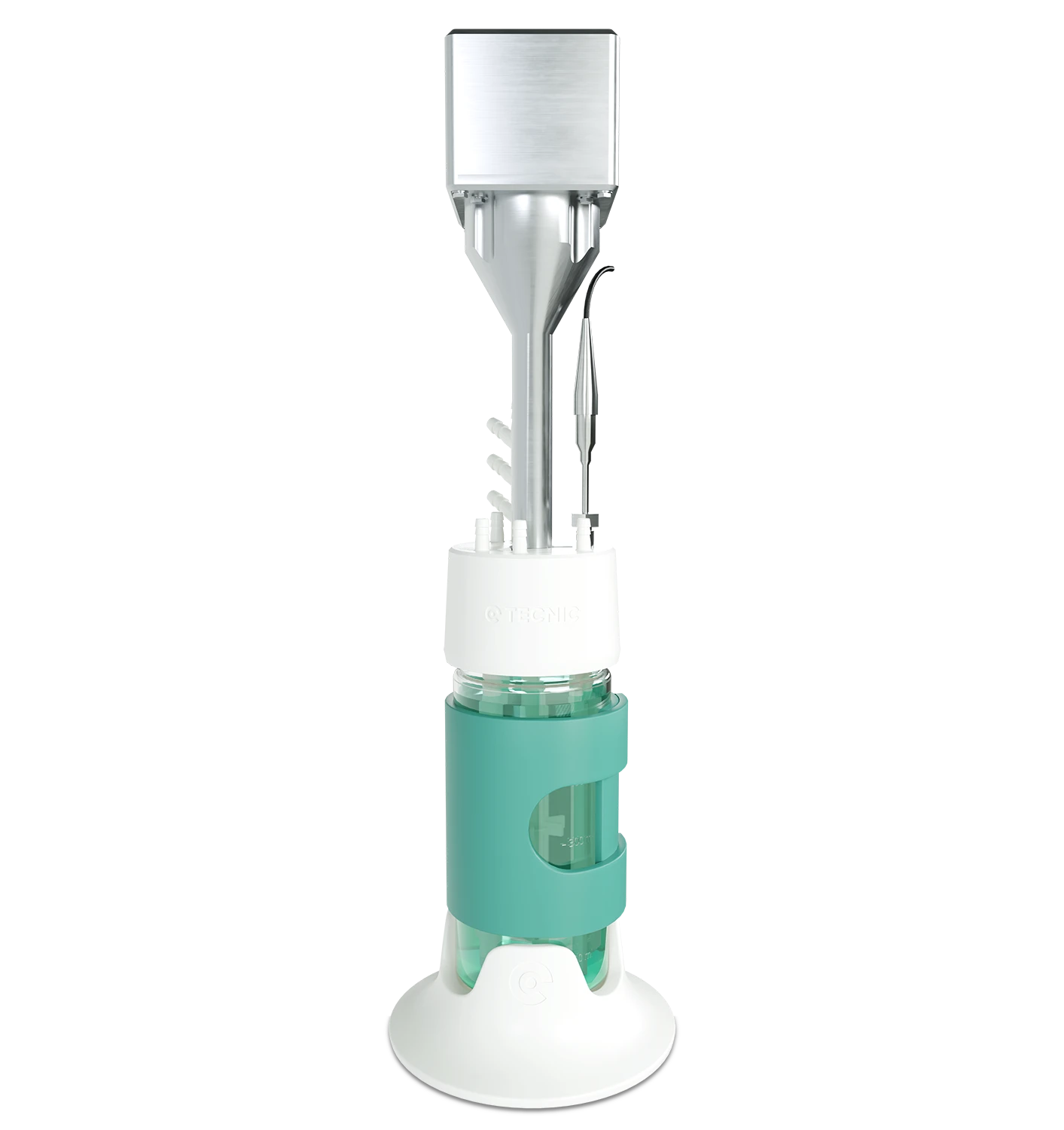
eLAB TFF SU
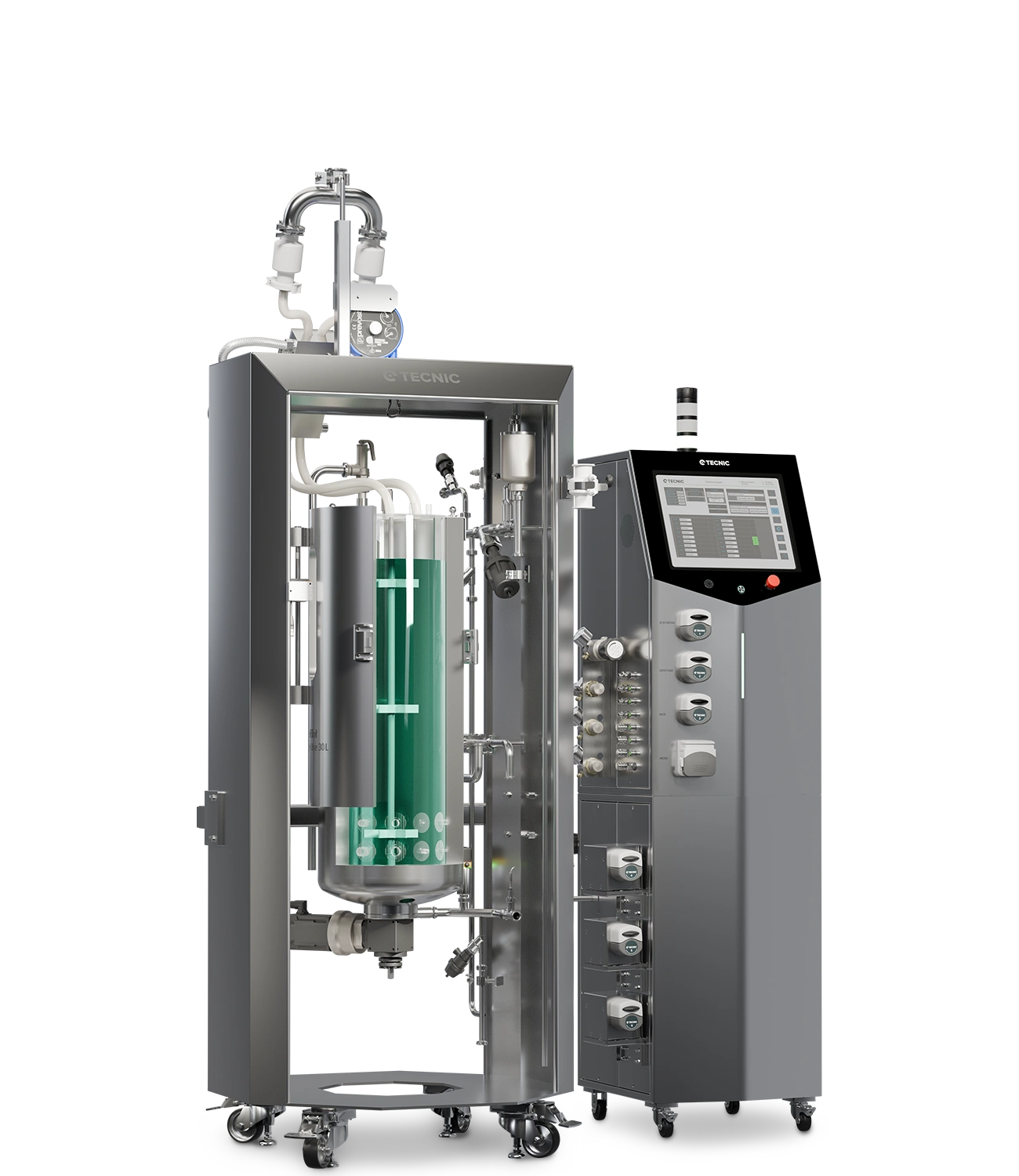
Single-use laboratory TFF system with up to 0.7 m² for flexible early-stage filtration workflows.
eLab TFF SU system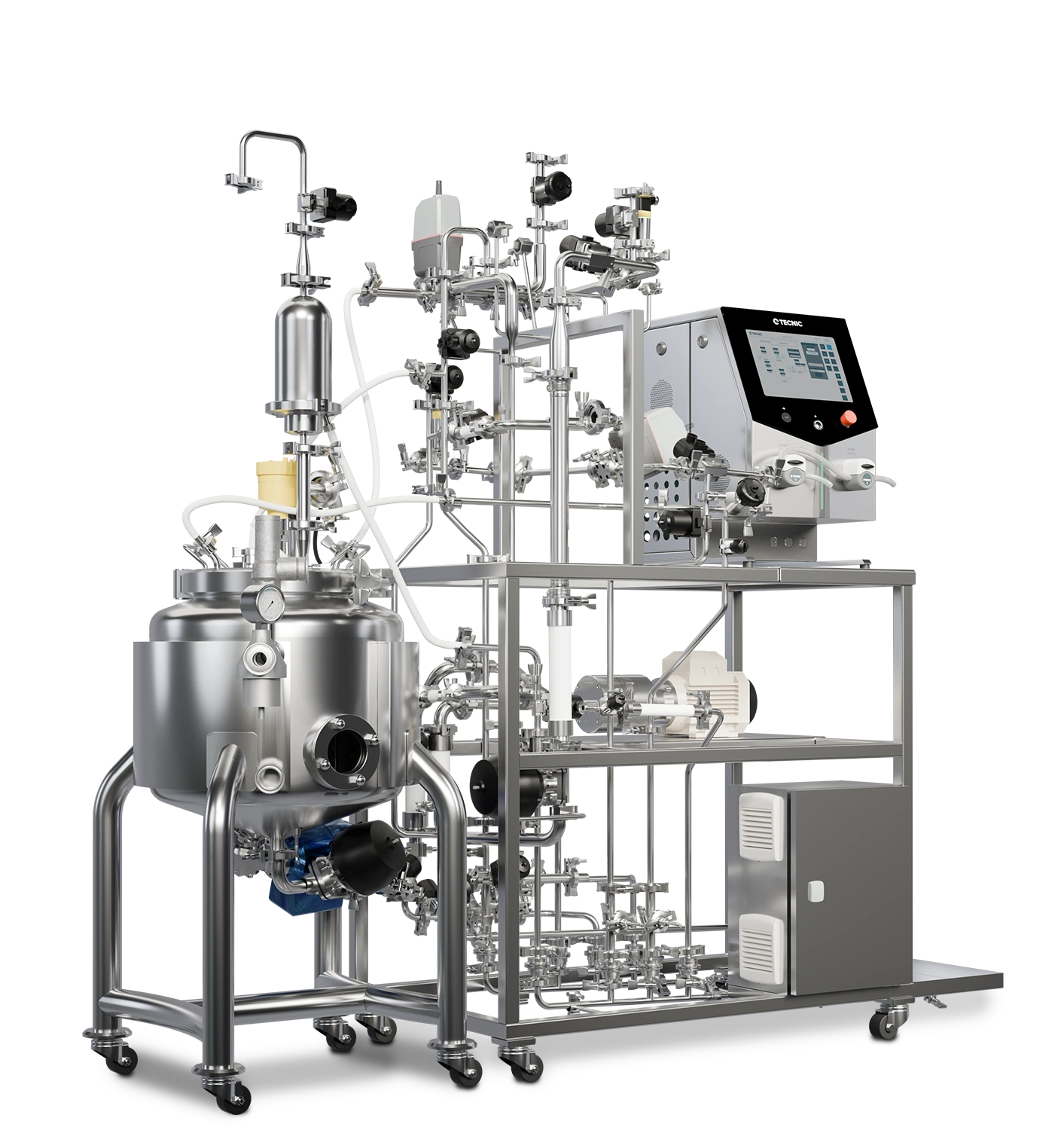
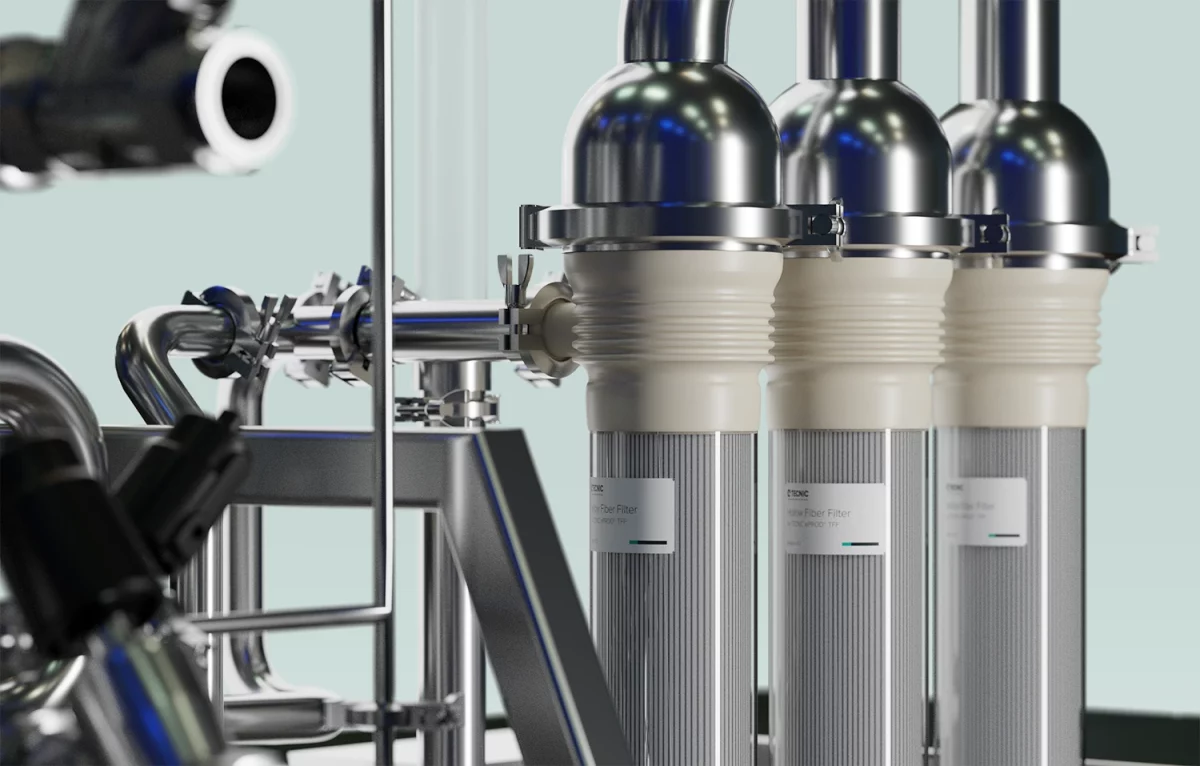
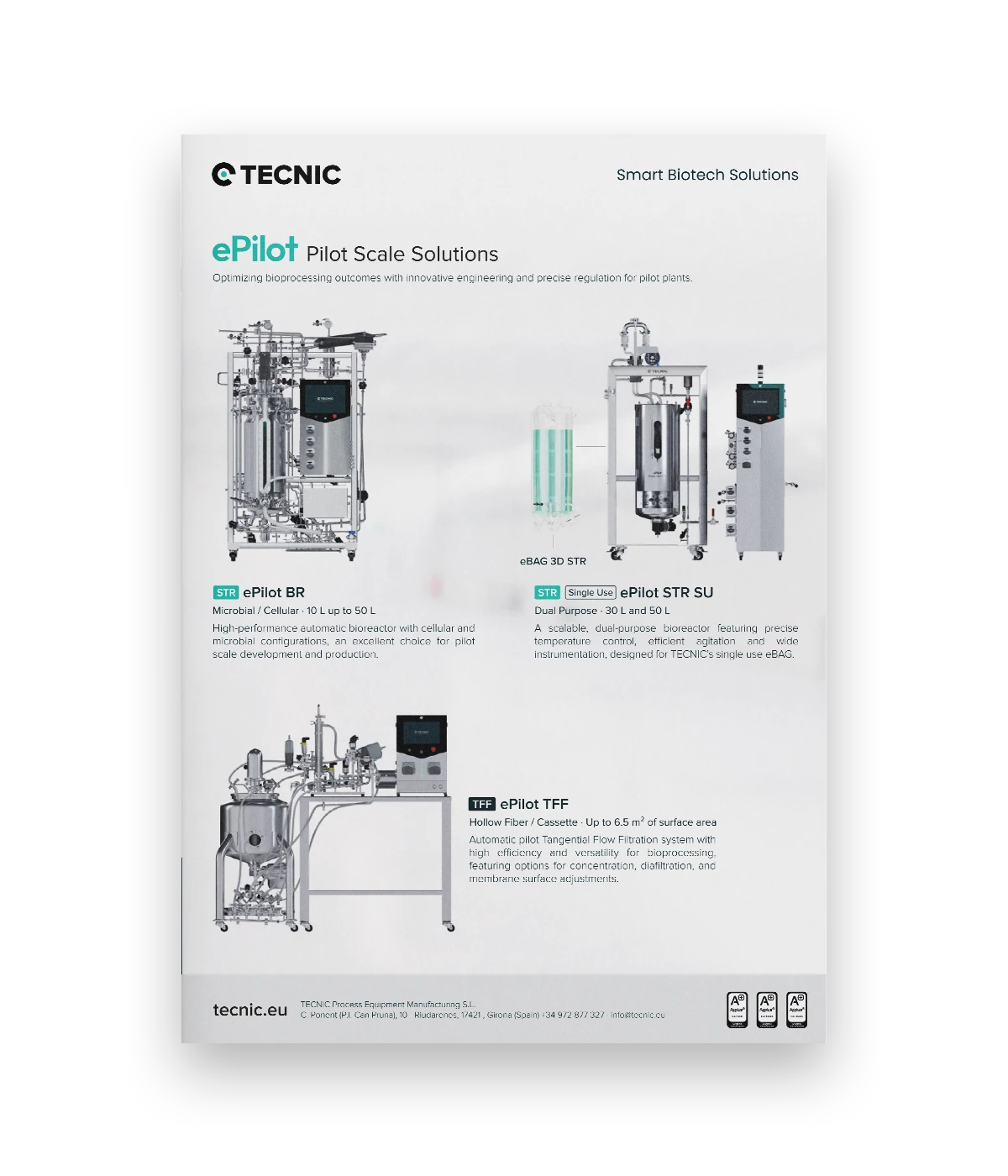
ePILOT TFF
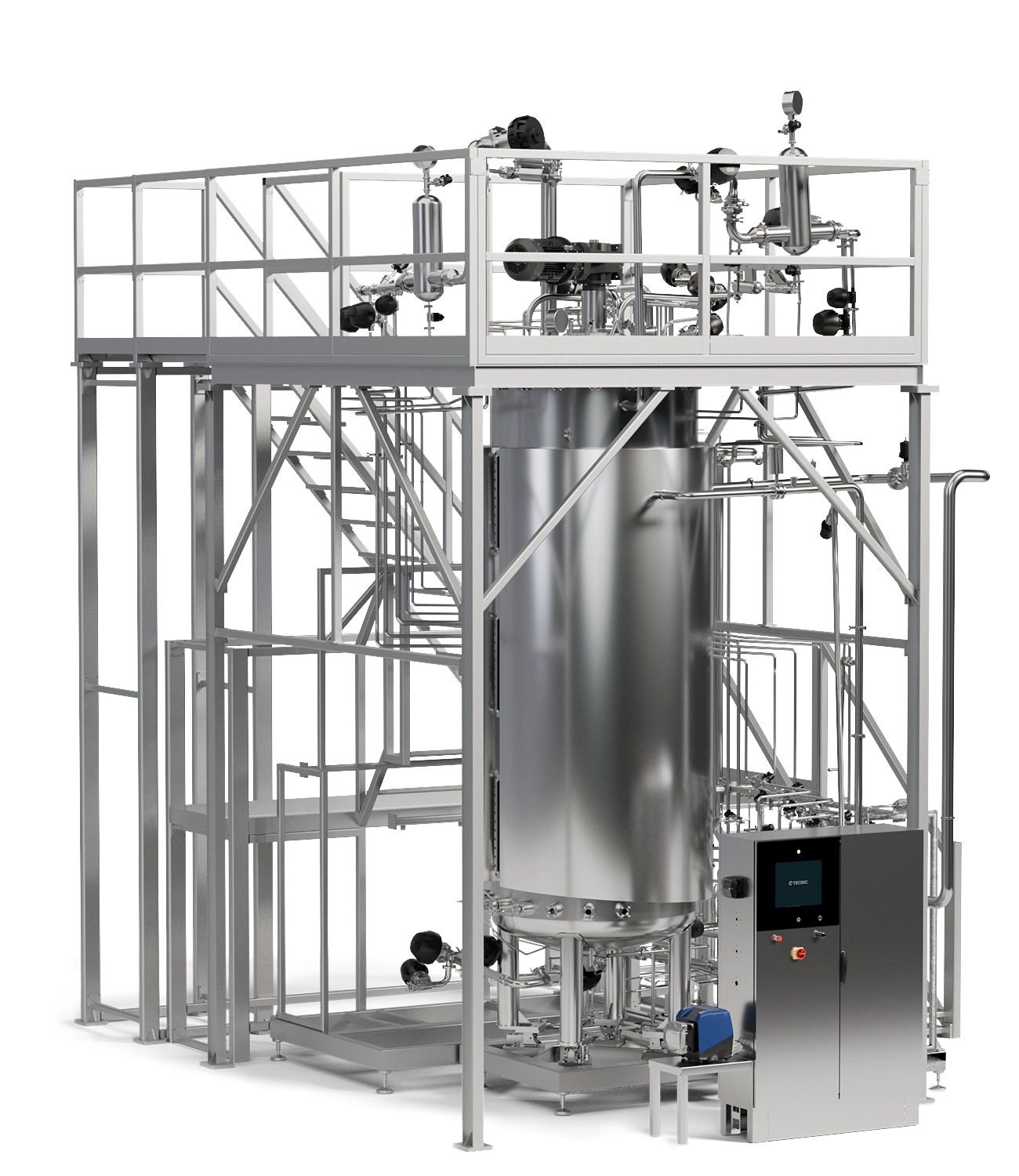
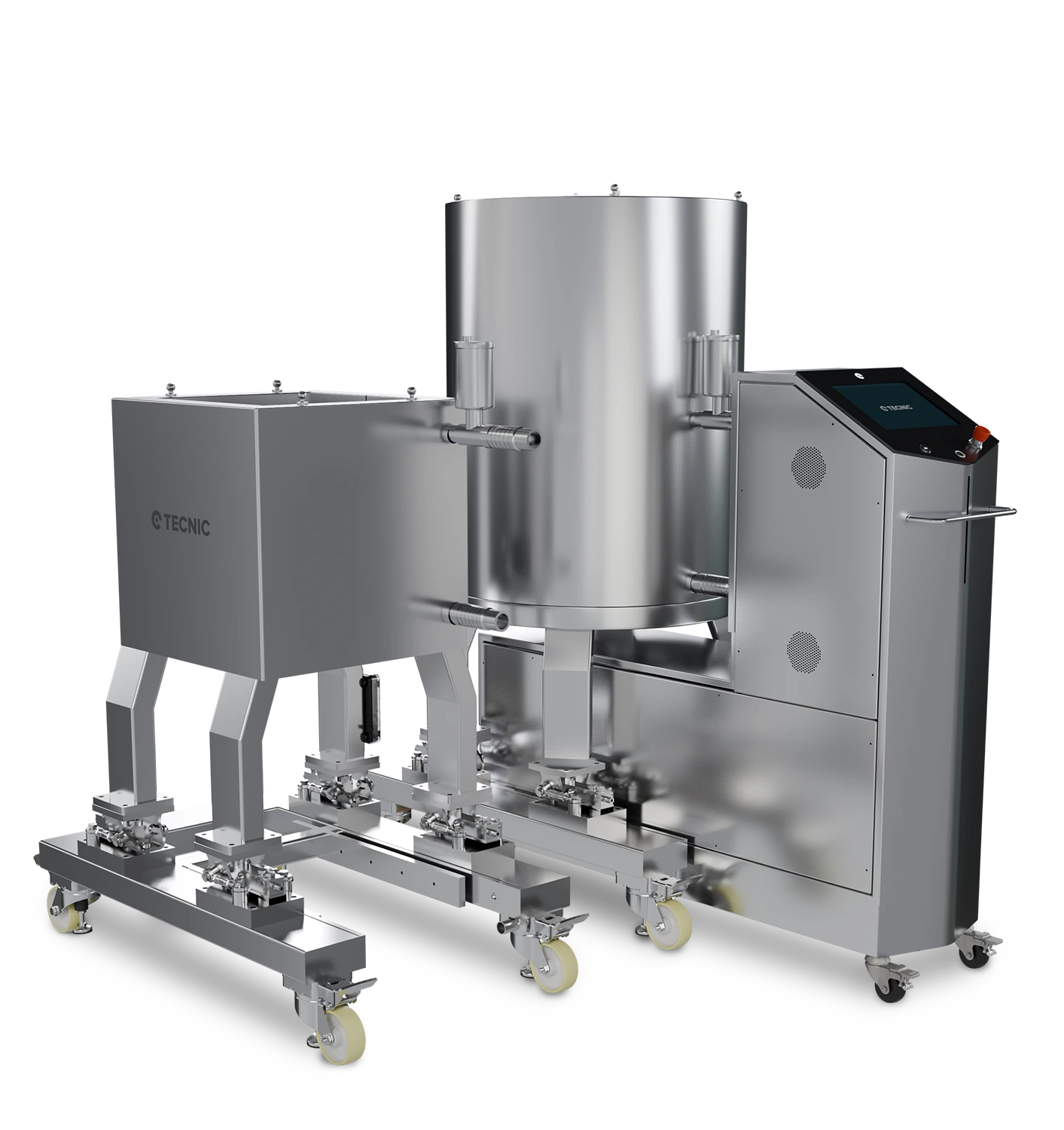
Pilot multi-use TFF system with up to 6.5 m² for transfer, scale-up and bridge-stage execution.
ePilot TFF system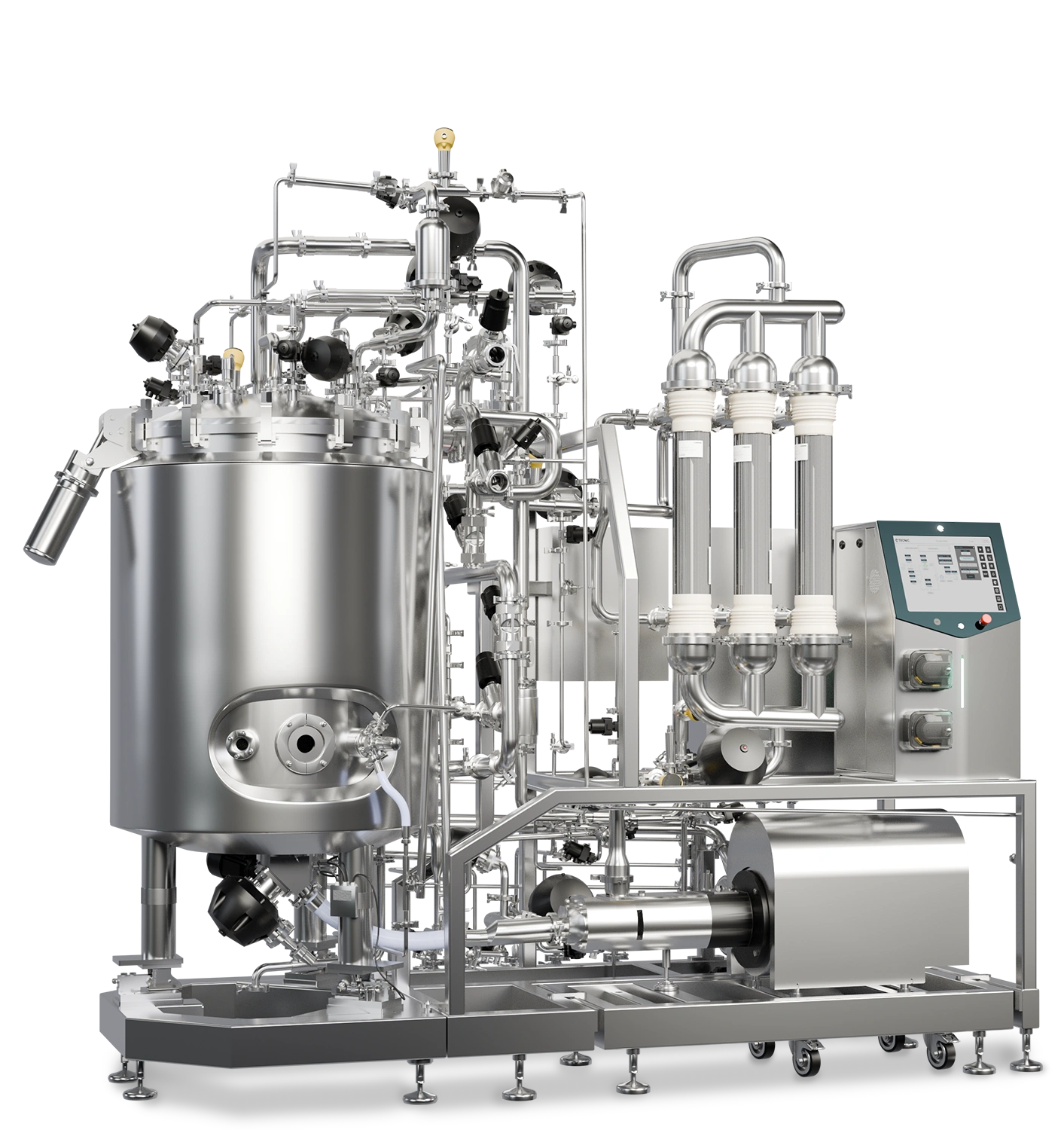
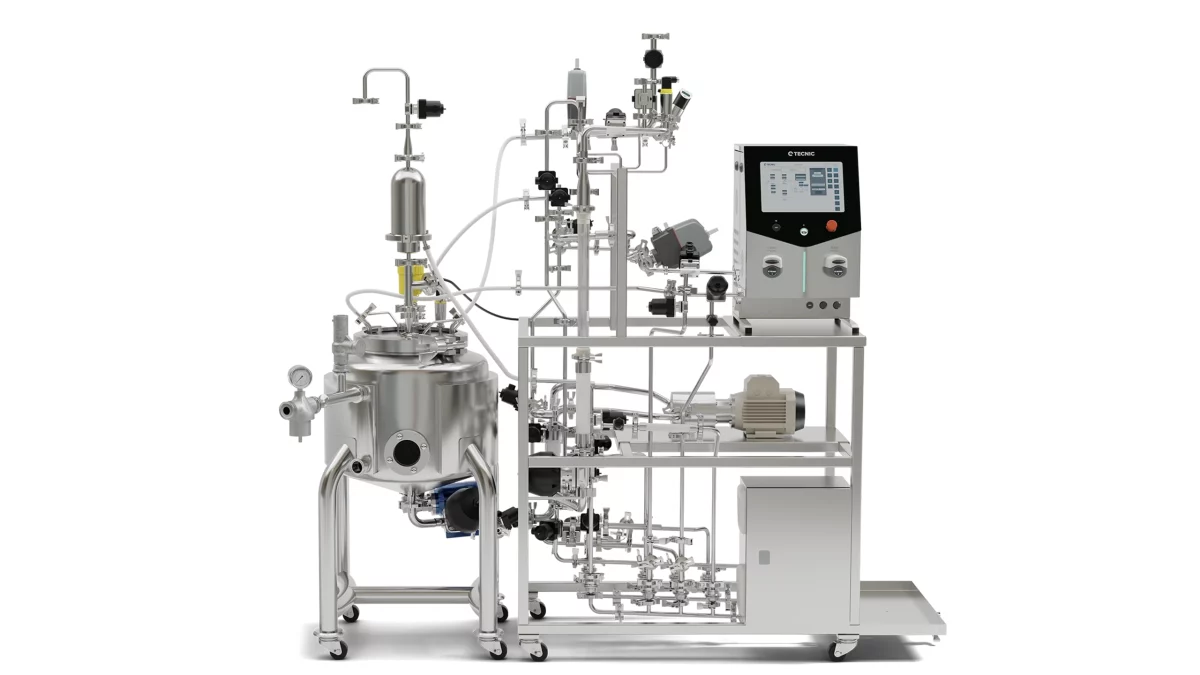
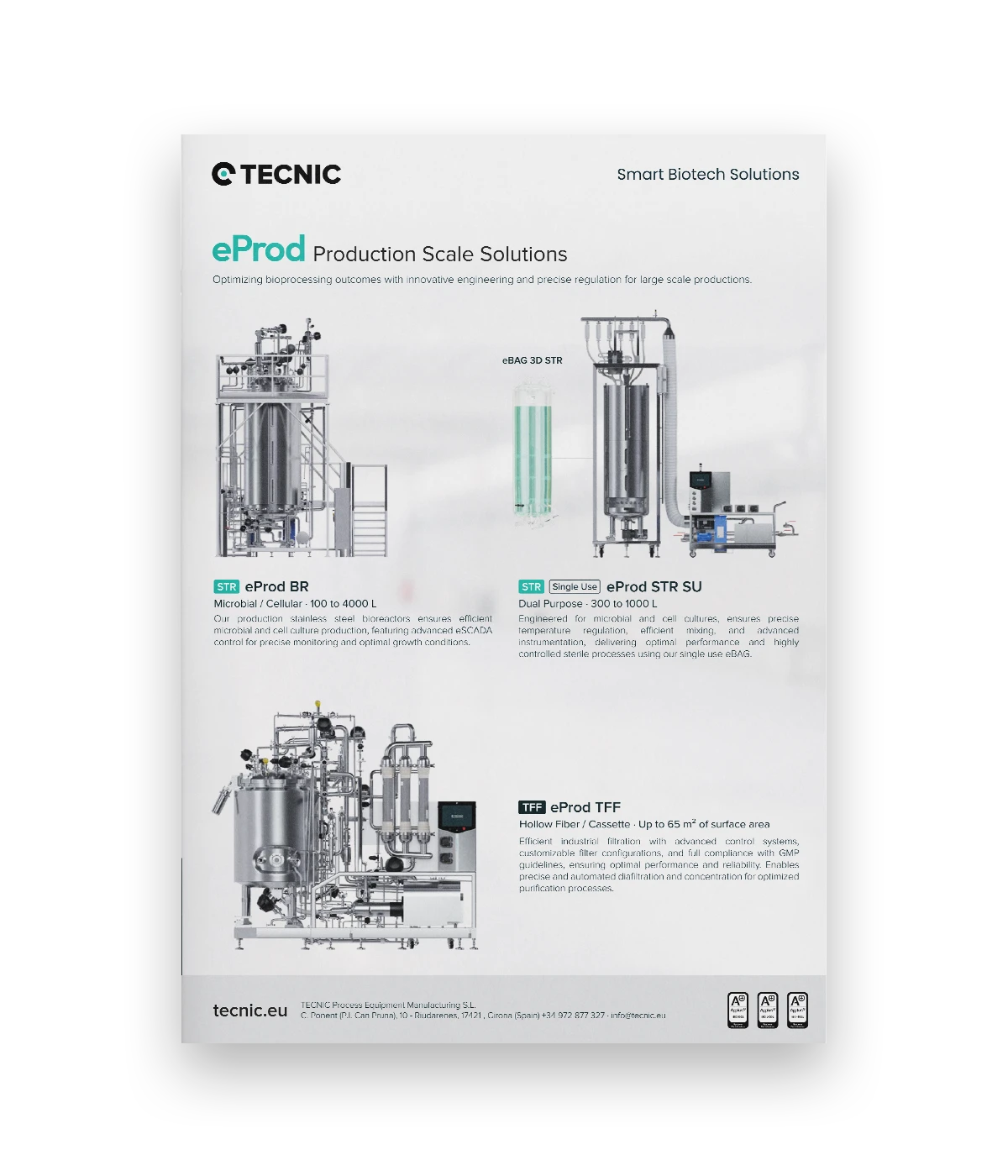
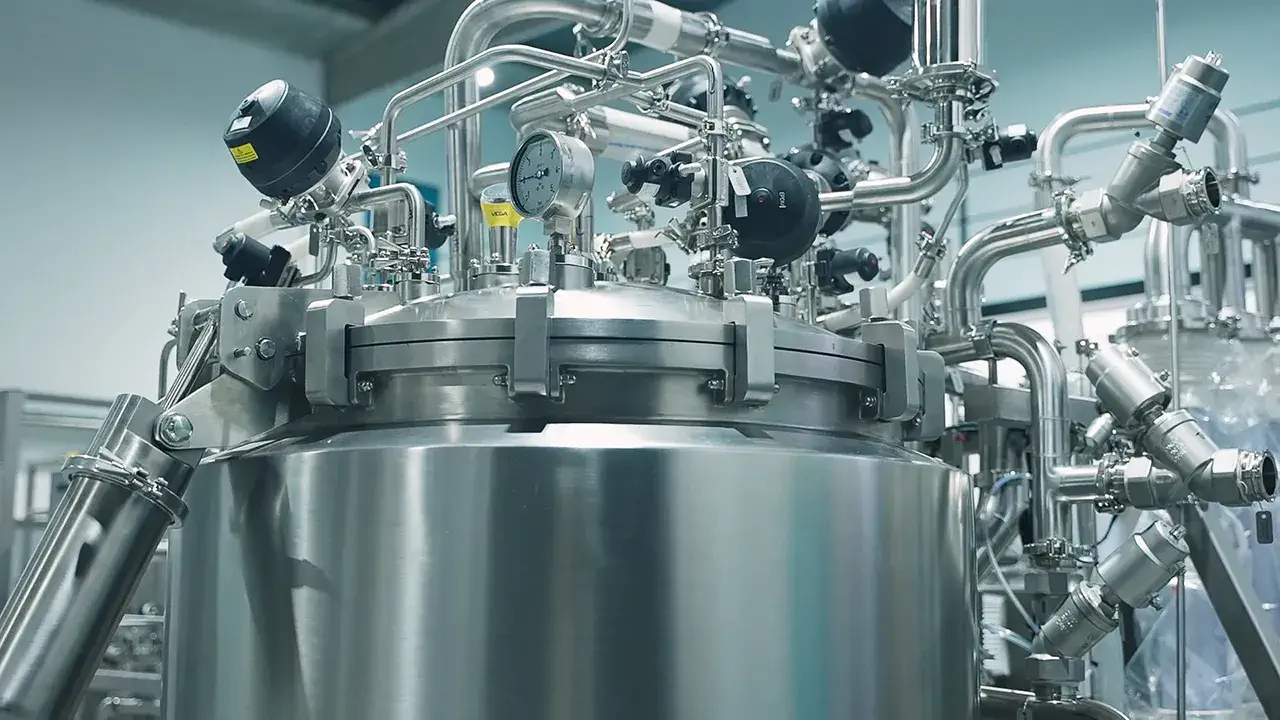
ePROD TFF
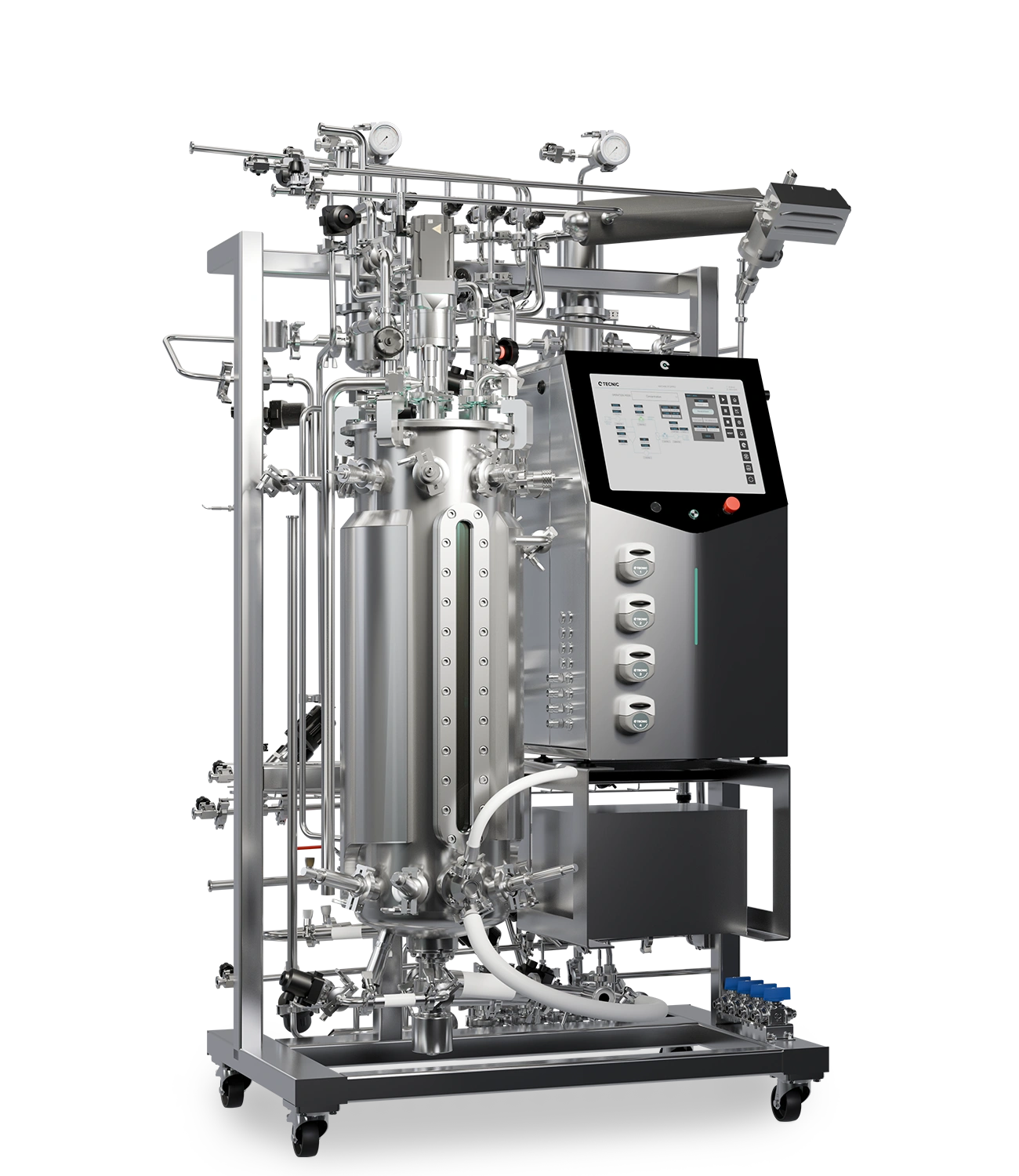
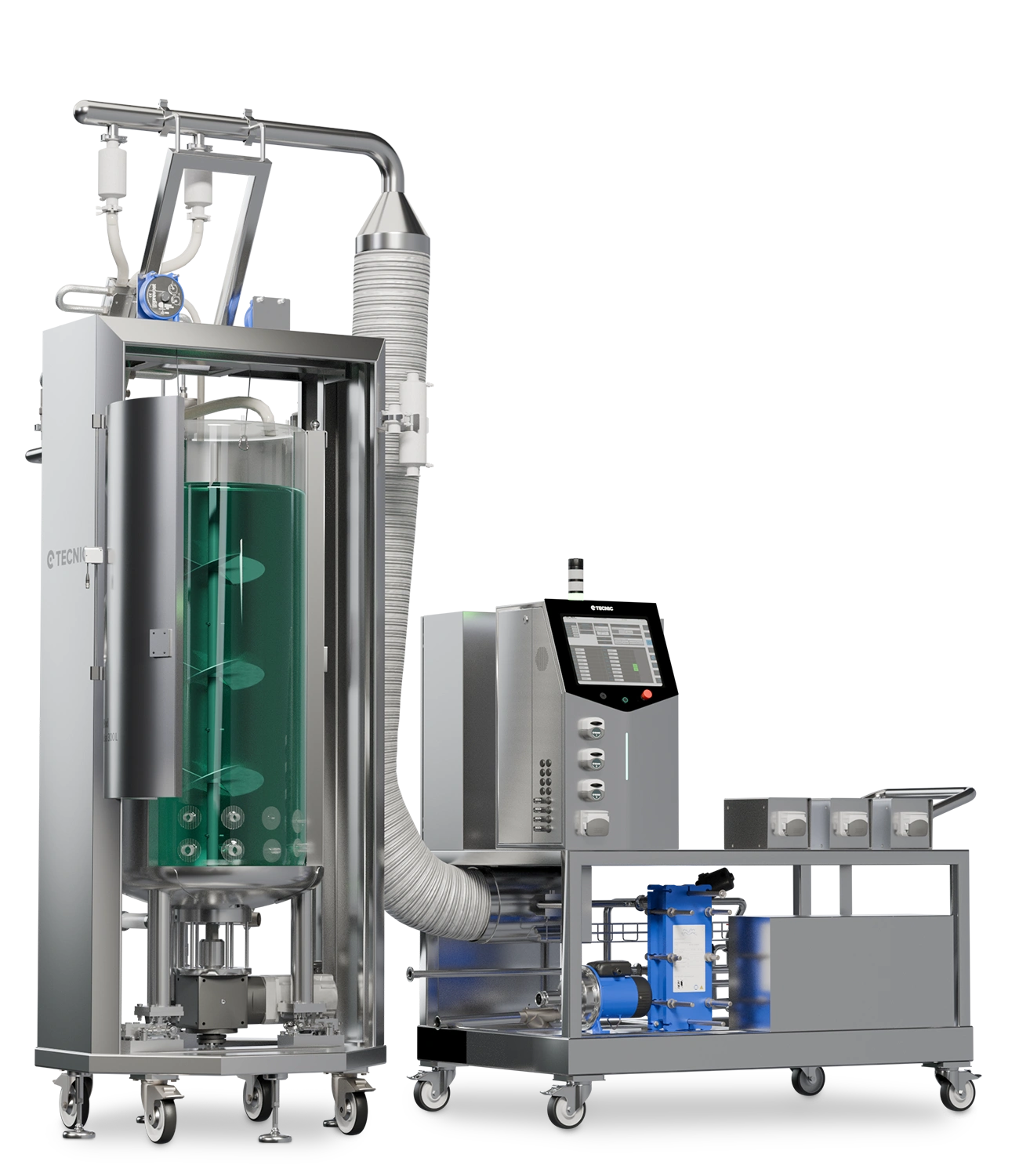
Production multi-use TFF system with up to 65 m² for larger-scale downstream execution.
eProd TFF platformHow to move from scale decision to platform selection
Lab, pilot and production TFF systems
Review the TFF portfolio through laboratory, pilot and production stages.
Single-use and multi-use TFF systems
Compare reusable and single-use tangential flow filtration strategies across the range.
TFF systems for ultrafiltration, diafiltration and buffer exchange
Compare TFF systems through the downstream task they need to perform.
Tangential flow filtration
Review TECNIC platforms and connect project needs with available systems.
Frequently asked questions
What matters most when choosing a TFF system at laboratory scale?
At laboratory scale, the key point is usually learning how the process behaves and defining a coherent route for the next stage.
Why is pilot scale important in TFF selection?
Pilot scale helps confirm whether the process can be transferred with continuity and whether the operating logic still makes sense before production.
How is production TFF selection different?
Production selection must support larger-scale downstream execution, facility fit and a workflow that can remain stable over time.
Can one good decision at lab scale simplify later scale-up?
Yes. A lab decision that is made with transfer and continuity in mind usually reduces friction later in pilot and production stages.
Need to choose the right TFF scale for a real project?
If your team is defining a TFF route from laboratory work to larger-scale execution, TECNIC can help you review process stage, transfer logic and the platform path that best supports scale-up.